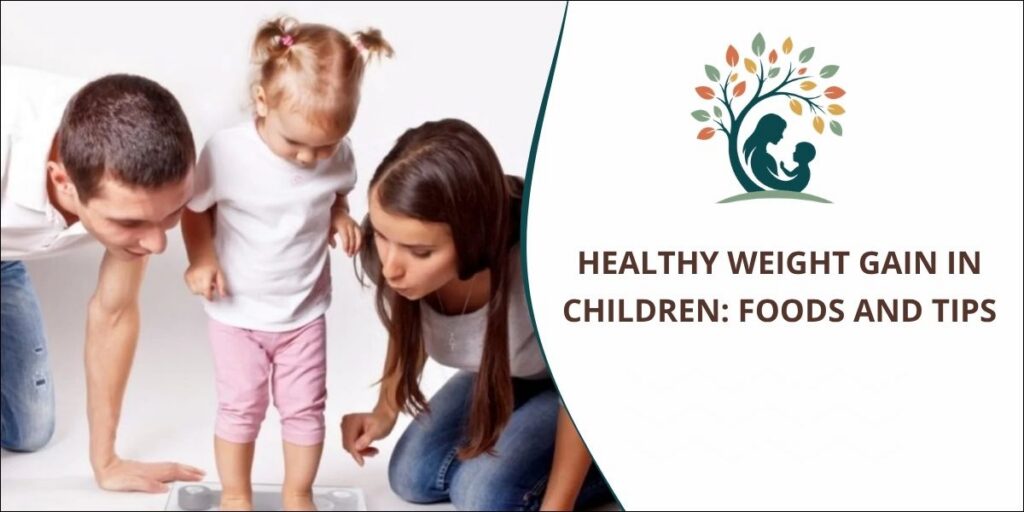
Healthy weight gain in children comes from regular, balanced meals that include enough energy, protein and healthy fats, such as milk and curd, paneer, eggs, dals, nut and seed powders, ghee in moderation, bananas, potatoes and whole grains, along with good sleep, physical activity and calm mealtimes. The goal is steady growth along the child’s own growth curve, not rapid weight gain. If a child is losing weight, not gaining for months, or falling behind on growth charts, a paediatrician should look for underlying causes before diet changes are made.
This guide shares practical food ideas, feeding tips and signs that a growth check-up is needed.
Is My Child Really Underweight?
Many parents worry that their child is thin, but children come in different body types. A paediatrician uses growth charts to track weight, height and BMI for age over time. A child who is growing steadily along their own curve, is active and meets developmental milestones is often healthy, even if slim. Regular growth and development monitoring helps clarify this.
Common Reasons Children Do Not Gain Weight
- Not enough calories or protein for growing needs
- Picky eating or long gaps between meals
- Filling up on milk, juice or snacks before meals
- Frequent infections or recent illness
- High activity levels without matching food intake
- Digestive problems such as malabsorption, worms or food intolerance
- Iron deficiency, which may reduce appetite
- Other medical conditions that need evaluation
Foods That Support Healthy Weight Gain
Dairy
Milk, curd, paneer, buttermilk and cheese provide protein, calcium and energy. Curd rice, paneer parathas and fruit smoothies with curd are easy options.
Eggs, fish and chicken
For non-vegetarian families, eggs, fish and chicken provide good-quality protein. Boiled eggs, egg bhurji, fish curry and chicken soup with vegetables can be included as appropriate for age.
Pulses and legumes
Dal, rajma, chole, moong and sprouts provide protein and fibre. Khichdi with ghee and vegetables is a nutritious, easy-to-digest meal.
Nuts and seeds
Almonds, walnuts, cashews, peanuts and seeds can be powdered and added to porridge, milk or laddoos. Whole nuts are a choking risk for young children, so offer them powdered or as butter.
Healthy fats
A small amount of ghee, butter or oil added to dal, roti or rice increases energy without increasing portion size.
Energy-rich fruits and vegetables
Bananas, chikoo, mango, avocado, potatoes, sweet potatoes and peas add calories and nutrients.
Whole grains
Ragi, oats, wheat, rice and millets can be made into porridge, dosa, upma, poha or parathas.
Sample Day of Meals
This is only an example and should be adjusted for your child’s age, appetite and any medical advice:
- Breakfast: ragi or oats porridge with milk, banana and nut powder
- Mid-morning: fruit with curd, or a paneer roll
- Lunch: rice or roti with dal, vegetable sabzi and a little ghee
- Evening snack: peanut chikki (for older children), egg or sprout chaat, or a vegetable cheela
- Dinner: khichdi with vegetables and curd, or paratha with paneer
- Bedtime (if needed): a glass of milk
Feeding Tips for Parents
- Offer meals and snacks at regular times
- Serve small portions and allow seconds
- Avoid forcing, bribing or punishing at mealtimes
- Limit screens during meals
- Eat together as a family when possible
- Offer water rather than juice or soft drinks
- Do not let milk replace meals in toddlers
- Involve children in choosing and preparing food
- Be patient with new foods; repeated exposure helps
Our nutritional counselling can help families create a plan suited to their child.
Tips for Different Ages
- Infants (6 to 12 months): continue breastfeeding and introduce mashed, energy-dense foods such as dal-rice with ghee, mashed banana and vegetable purees; no honey, added salt or sugar
- Toddlers: offer family foods in soft, bite-sized pieces, with snacks between meals and milk limited so it does not replace food
- School-age children: pack a filling tiffin and offer a nutritious snack after school
- Teenagers: growth spurts raise needs; encourage regular breakfast and discuss body image concerns openly
Foods to Limit
Packaged chips, biscuits, sugary drinks, sweets and fried snacks may add weight but provide little nutrition. They can also reduce appetite for healthier foods and affect teeth.
When to See a Paediatrician
- Your child is losing weight or has not gained weight for several months
- Weight or height drops across growth chart lines
- Frequent infections, diarrhoea, vomiting or stomach pain
- Poor appetite for a long time, tiredness or pale skin
- Delayed milestones
Keeping vaccinations up to date also helps reduce illnesses that interrupt growth. See our vaccination services.
Frequently Asked Questions
How do I know if my child is underweight?
A paediatrician plots your child’s weight and height on growth charts to see how they compare with children of the same age and sex, and how they are growing over time. A single reading is less useful than the growth trend.
Which foods help children gain weight healthily?
Energy- and nutrient-dense foods such as milk and curd, paneer, eggs, dals, nut and seed powders, ghee in moderation, bananas, potatoes and sweet potatoes, peanut chikki for older children and whole grains can help, as part of balanced meals.
Should I give my child weight gain powders or supplements?
Supplements are not needed for most children and should only be used if a doctor advises them. Home-cooked, balanced meals with adequate calories and protein are usually the first approach.
Are junk foods a good way to help my child gain weight?
No. Fried snacks, sweets and sugary drinks add calories without much nutrition and can affect appetite for healthy foods and dental health. Healthy fats and proteins are better choices.
How often should a child eat to gain weight?
Many children do well with three main meals and two to three nutritious snacks a day at regular times. Avoid constant grazing and filling up on milk or juice just before meals.
When should I see a doctor about my child’s weight?
See a paediatrician if your child is losing weight, has stopped gaining weight, drops across growth chart lines, has frequent illnesses, diarrhoea, poor appetite for long periods, or seems tired and low on energy.
Consult Dr. Kritika Tiwari in Goregaon
If you are concerned about your child’s weight or growth, a check-up can help understand the growth pattern and plan nutrition. Dr. Kritika Tiwari (MBBS, DNB Pediatrics, Diploma in Adolescent Health, University of Melbourne) is a paediatrician and adolescent health specialist in Goregaon, Mumbai. Read more about Dr. Kritika Tiwari.