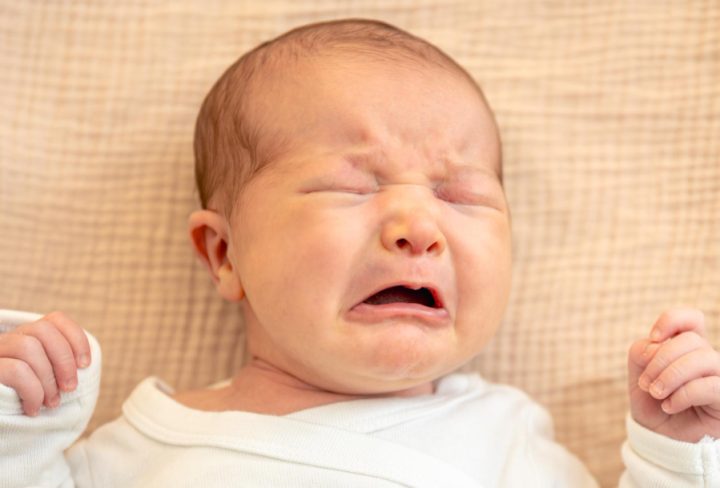
What Is Excessive Crying in Children?
Every child cries. However, excessive crying in children means crying more than usual or for longer periods. Sometimes, it can be hard to know what is normal. Most babies cry for a few hours each day, especially in the first few months. But, if your child cries much more than this, it may be a sign of something else. Understanding what is normal can help you spot problems early.
Common Causes of Excessive Crying
There are many reasons why a child may cry a lot. Often, the cause is simple and not serious. For example, your child may be:
Sometimes, crying can be due to pain or illness. For instance, teething, ear infections, or stomach pain can make a child cry more. In rare cases, crying may signal a more serious problem. Therefore, it is important to watch for other signs.
Warning Signs: When to Worry About Your Child’s Crying
While most crying is normal, some signs mean you should pay extra attention. Watch for these child crying warning signs:
If you notice any of these, you should take action. Sometimes, these signs mean your child needs medical help right away.
How to Assess and Respond as a Parent or Caregiver
First, try to stay calm. Next, check for simple causes like hunger or a dirty diaper. If you cannot find a reason, try soothing your child. For example, you can:
However, if nothing works and your child keeps crying, watch for warning signs. Sometimes, talking to another adult can help you stay calm. Remember, it is okay to ask for help.
When to Seek Medical Help
Sometimes, you need to call your doctor right away. Seek medical help if:
According to the CDC and WHO, these signs may mean a serious illness. Therefore, do not wait if you are worried. It is always better to be safe.
Prevention Tips and Home Care Strategies
Although you cannot prevent all crying, you can reduce it. Try these tips at home:
In addition, learn your child’s normal patterns. This can help you spot changes early. If you are unsure, keep a diary of crying times and what helps. This can be useful for your doctor.
Conclusion
To sum up, excessive crying in children can be stressful for parents. Most of the time, it is not serious. However, knowing when to worry about baby crying is important. Always watch for warning signs and trust your instincts. If you are concerned about your child’s crying, consult a pediatrician for personalized advice.