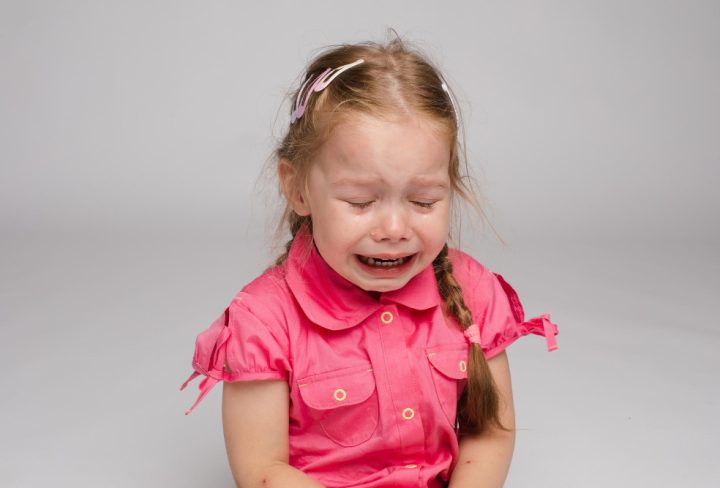
Excessive crying in children can worry any parent or caregiver. While all children cry, sometimes the crying seems too frequent or intense. Understanding excessive crying in children is important because it can signal discomfort, illness, or emotional needs. Early recognition helps parents respond better and seek help when needed. In this blog, we will explain the causes, symptoms, diagnosis, and management of excessive crying in children. We will also share helpful tips for parents and answer common questions.
Common Causes of Excessive Crying in Children
Children cry for many reasons. However, some causes are more common than others. Knowing these can help you respond quickly. For example, a hungry baby may cry until fed. Here are some key causes:
Recognizing Symptoms and When to Seek Help
Most crying is normal, but sometimes it signals a problem. Therefore, it is important to watch for warning signs. If you notice any of the following, seek medical help:
In addition, if you feel something is not right, trust your instincts and contact a pediatrician near you.
Diagnosis of Excessive Crying
Healthcare professionals use several steps to diagnose excessive crying in children. First, they ask about your child’s crying patterns, feeding, and sleep habits. Next, they perform a physical exam to check for signs of illness or discomfort. Sometimes, doctors may order tests, such as blood work or urine tests, to rule out infections. In rare cases, imaging studies may be needed. Most often, a careful history and exam are enough to find the cause. According to the CDC, most cases of excessive crying are not due to serious illness.
Management and Treatment Options
Managing excessive crying depends on the cause. For example, if your child is hungry, feeding may help. Here are some evidence-based approaches:
If crying continues or you are unsure, it is best to seek advice from a pediatrician. They can help you understand why your child is crying excessively and suggest the right treatment.
Prevention and Parental Guidance
While not all crying can be prevented, some steps may help reduce it. For instance, keeping a regular routine can comfort your child. Here are some practical tips:
Remember, every child is different. Therefore, what works for one may not work for another. Always be patient and caring.
Frequently Asked Questions
Why is my child crying excessively?
There are many reasons, such as hunger, discomfort, illness, or emotional needs. Sometimes, it is hard to find the exact cause. If you are worried, consult a pediatrician near you.
How can I soothe a crying baby?
Try feeding, changing diapers, gentle rocking, or a pacifier. In addition, keep your baby comfortable and reduce noise. If these do not help, seek medical advice.
When should I worry about crying in children?
If your child has a fever, trouble breathing, refuses to eat, or seems very ill, seek help right away. Also, trust your instincts if something feels wrong.
Can excessive crying harm my child?
Most crying does not cause harm. However, ongoing distress may signal a problem that needs attention. Therefore, it is important to address your child’s needs and seek help if needed.
Should I visit a pediatrician for excessive crying?
If you are unsure or worried, it is always best to consult a pediatrician. They can check for any health issues and guide you on how to soothe your child.
If your child’s crying concerns you, consult a pediatric specialist for personalized advice.