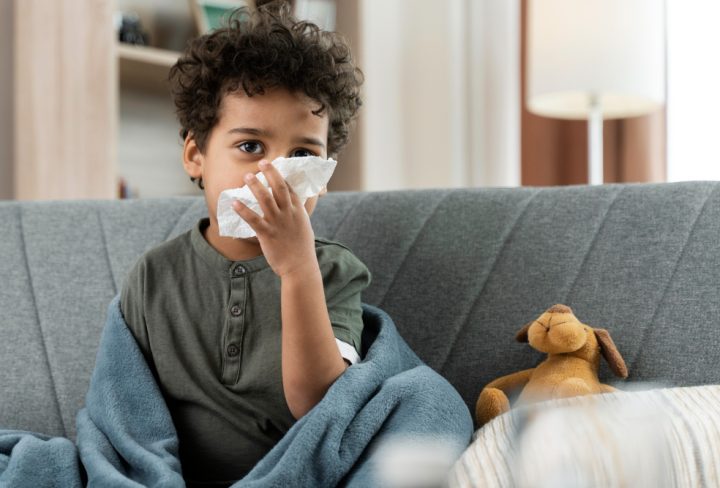
What is the Flu in Children?
Does your child have flu? Many parents worry about this, especially during flu season in the US. The flu, or influenza, is a virus that affects the nose, throat, and sometimes the lungs. Children can get sick quickly, and the illness can spread easily in schools and daycare centers. Because the flu can cause serious problems in kids, it is important to know what to look for and how to help.
Common Symptoms of Flu in Kids
Flu symptoms in children often appear suddenly. While some signs are like a cold, others are more severe. Watch for these common symptoms:
Because symptoms can vary, not every child will have all these signs. However, if your child has several of these, it could be the flu.
How to Tell Flu from a Common Cold
Sometimes, it is hard to know if your child has the flu or just a cold. Still, there are some key differences:
Because both illnesses can look alike, it helps to watch how fast symptoms appear and how sick your child feels.
When to See a Doctor
Most children recover from the flu at home. However, some signs mean you should call your doctor right away. For example, seek help if your child:
Because young children and those with other health problems are at higher risk, it is always better to be safe and check with your doctor if you are unsure.
Diagnosis: How Doctors Confirm the Flu
Doctors use several ways to diagnose the flu in children. First, they ask about symptoms and check your child’s health. Sometimes, they use a quick test by swabbing the nose or throat. This test can show if your child has the flu virus. However, not all children need this test. Often, doctors can tell based on symptoms, especially during flu season.
Treatment Options for Children with Flu
Flu treatment for kids depends on how sick your child is. Most children get better with rest and fluids. However, some may need medicine. Doctors may prescribe antiviral drugs if:
Antiviral medicine works best if started within two days of symptoms. Still, always follow your doctor’s advice before giving any medicine.
Home Care and Comfort Measures
While your child recovers, you can help them feel better at home. Here are some comfort tips:
Because the flu can spread easily, wash hands often and clean surfaces to protect others in your home.
Preventing the Flu in Children
Prevention is the best way to keep your child healthy. Here are some steps you can take:
Because the flu vaccine helps prevent serious illness, it is important for all children over 6 months old.
Frequently Asked Questions (FAQs)
If you suspect your child has the flu, consult a pediatrician for personalized advice. Early care can help your child recover faster and prevent complications.