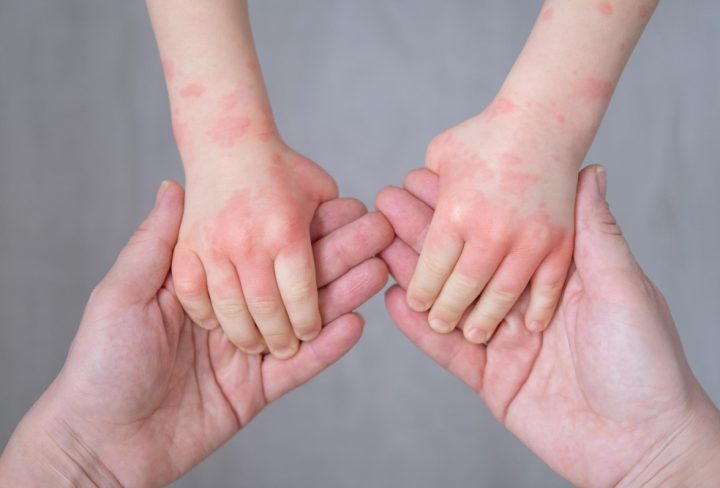
Introduction to HFMD
Hand, foot, and mouth disease (HFMD) is a common illness in children. It is caused by viruses, most often from the coxsackievirus group. Usually, HFMD affects children under five years old, but older kids and adults can get it too. Although outbreaks of HFMD can happen in schools or daycare centers, the illness is usually mild. However, it spreads easily from person to person. Because of this, parents and caregivers should know how to spot and manage HFMD.
Symptoms of HFMD
HFMD symptoms often appear three to six days after exposure. At first, children may feel unwell. Soon after, more noticeable signs develop. For example, you may see:
Sometimes, not all symptoms appear. However, if your child has a fever and mouth sores, HFMD could be the cause.
Causes and Risk Factors
HFMD is caused by several types of viruses. Most often, coxsackievirus A16 is responsible. Enterovirus 71 can also cause HFMD and may lead to more severe illness. The disease spreads through:
Children under five are at the highest risk. However, older children and adults can catch HFMD, especially during outbreaks in schools or daycare centers.
How HFMD is Diagnosed
Doctors usually diagnose HFMD by looking at the symptoms and the rash. In most cases, no special tests are needed. However, if the illness is severe or unusual, the doctor may take a throat swab or stool sample. This helps confirm the virus type. Still, for most children, a physical exam is enough.
Treatment Options for HFMD
There is no specific cure for HFMD. However, most children recover within seven to ten days. Home care can help your child feel better. For example:
Although most cases are mild, you should see a doctor if your child:
In rare cases, HFMD can cause complications. Therefore, always watch for warning signs and seek medical advice if you are unsure.
Prevention Tips for Families
While HFMD spreads easily, you can lower the risk with good hygiene. Here are some tips:
Because outbreaks can happen in schools or daycare centers, extra care is important during these times.
Frequently Asked Questions about HFMD
Conclusion
HFMD in children is usually mild but can be uncomfortable. With good care and hygiene, most children recover quickly. However, if your child shows symptoms of HFMD, consult a pediatrician for personalized advice.