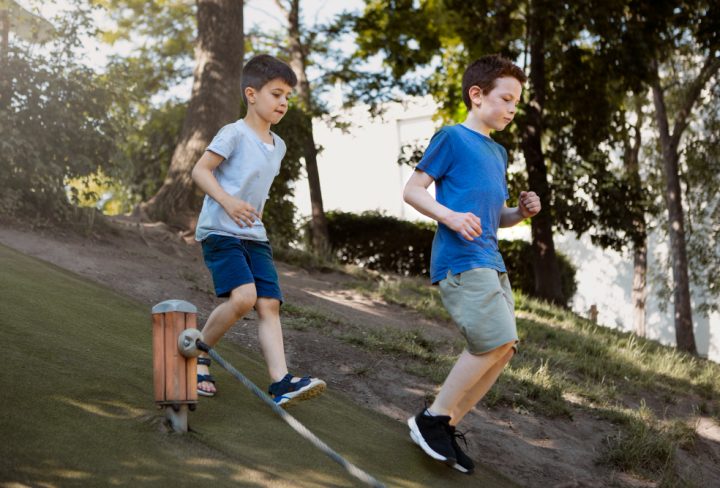
Why Physical Activity Matters for Children
Active lifestyles for kids are important for healthy growth. Regular movement helps children build strong bones and muscles. It also supports a healthy weight and boosts mood. According to the CDC, kids who stay active do better in school and sleep well at night. In addition, physical activity lowers the risk of chronic diseases later in life. So, encouraging exercise in kids is one of the best things parents can do.
Common Barriers to Kids’ Activity
Sometimes, children do not get enough exercise. There are many reasons for this. For example, busy family schedules can limit playtime. Also, too much screen time keeps kids indoors. In some areas, there may be few safe places to play. Bad weather can also make outdoor activity hard. Understanding these barriers helps parents find ways to keep children active.
Practical Strategies to Encourage Active Lifestyles
There are many ways to help your child move more. Here are some simple ideas for home, school, and the community:
With these steps, you can make an active lifestyle for kids part of daily life.
Age-Appropriate Activity Ideas
Children need different activities as they grow. Here are some ideas for each age group:
For each age, choose activities that match your child’s interests and abilities.
Tips for Making Activity Fun and Sustainable
Keeping children active is easier when it feels like play. For example, let kids pick activities they enjoy. Mix things up to prevent boredom. Invite friends or family to join in. Celebrate small wins, like learning a new skill. Also, set realistic goals and praise effort, not just results. When activity is fun, kids are more likely to stick with it.
Safety Considerations and Injury Prevention
Safety is key when encouraging exercise in kids. Always choose age-appropriate activities. Make sure play areas are safe and free from hazards. Use helmets and pads for biking or skating. Teach children to warm up before exercise and cool down after. In addition, remind them to drink water, especially on hot days. If your child has a health condition, talk to a doctor before starting new activities.
Setting a Positive Example as a Parent or Caregiver
Children often copy what they see. Therefore, be active yourself. Walk, bike, or play together as a family. Show excitement about moving and trying new things. Even small changes, like taking the stairs, can make a difference. When parents lead by example, kids are more likely to enjoy an active lifestyle.
When to Consult a Pediatrician
Most children can safely enjoy regular activity. However, if your child has health issues or gets tired easily, talk to a pediatrician. Also, see a doctor if your child has pain or trouble breathing during exercise. A pediatrician can give advice on safe and fun ways to keep your child active.
Conclusion
In summary, helping your child stay active is important for their health and happiness. Try different activities, make it fun, and set a good example. If you have concerns, consult a pediatrician for personalized advice on your child’s activity needs.