Introduction
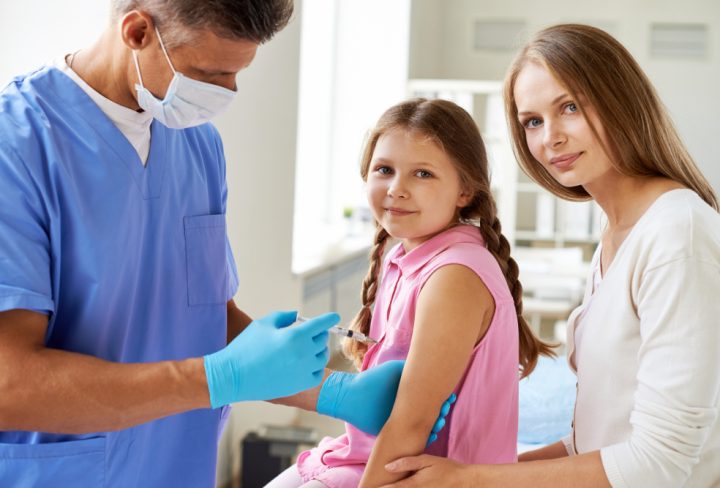
Vaccinations in children are a key part of keeping kids healthy. These shots help protect children from many serious diseases. In fact, childhood immunization is one of the safest and most effective ways to prevent illness. When children get vaccinated on time, they are less likely to get sick or spread diseases to others. Because of this, parents and caregivers should understand why vaccines matter and how to keep up with the childhood immunization schedule.
What Are Childhood Vaccinations?
Childhood vaccinations are special shots given to children to help their bodies fight off certain diseases. These vaccines teach the immune system to recognize and attack germs before they can cause harm. For example, after getting a vaccine, a child’s body knows how to fight the real disease if exposed later. Most vaccines are given as injections, but some are drops or sprays. Vaccines are carefully tested to make sure they are safe and effective for kids.
Why Are Vaccinations Important for Children?
Vaccines protect children from diseases that can cause serious health problems. For instance, some illnesses can lead to hospital stays, long-term issues, or even death. However, with vaccines, many of these diseases are now rare. In addition, when more children are vaccinated, it helps protect those who cannot get shots due to health reasons. This is called community protection or herd immunity. Because of these reasons, the benefits of vaccines for children are clear and well-proven.
Recommended Vaccination Schedule for Children
Doctors follow a set schedule to give vaccines at the best times. The childhood immunization schedule starts at birth and continues through the teen years. Sticking to this schedule helps make sure children are protected as early as possible. Here is a general outline:
For the exact schedule, always check with your child’s doctor or visit the CDC website.
Common Vaccines and the Diseases They Prevent
Many vaccines are given to protect against dangerous diseases. For example, some of the most common vaccines include:
Each vaccine targets a specific disease and helps keep children safe from harm.
Are Vaccines Safe for Children?
Yes, vaccines are very safe for children. Before any vaccine is approved, it goes through many tests. These tests check for safety and how well the vaccine works. Even after approval, experts continue to watch for any problems. Most side effects are mild, such as a sore arm or mild fever. Serious reactions are very rare. According to the CDC and WHO, the benefits of vaccines far outweigh the small risks. Because of this, vaccine safety for kids is a top priority for health experts.
Addressing Common Myths and Concerns
Some parents worry about vaccines because of things they hear or read. However, many common myths are not true. For example:
If you have concerns, talk to your child’s doctor. They can give clear, science-based answers.
Tips for Parents: Preparing Your Child for Vaccinations
Getting shots can make children nervous. However, there are ways to help:
With these steps, you can make the experience easier for your child.
How to Keep Track of Your Child’s Vaccinations
It is important to keep a record of all your child’s vaccines. For example, you can:
Staying organized helps ensure your child gets every needed vaccine on time.
Prevention and Community Protection (Herd Immunity)
When most children in a community are vaccinated, diseases have less chance to spread. This is called herd immunity. Because of this, even those who cannot get vaccines, like babies or children with certain health problems, are protected. In addition, herd immunity helps stop outbreaks and keeps everyone safer. So, by vaccinating your child, you help protect your family and your whole community.
Conclusion
Vaccinations in children are a safe and proven way to prevent serious diseases. They protect your child and help keep your community healthy. For the best advice and the right schedule, consult your pediatrician for personalized vaccination advice for your child.