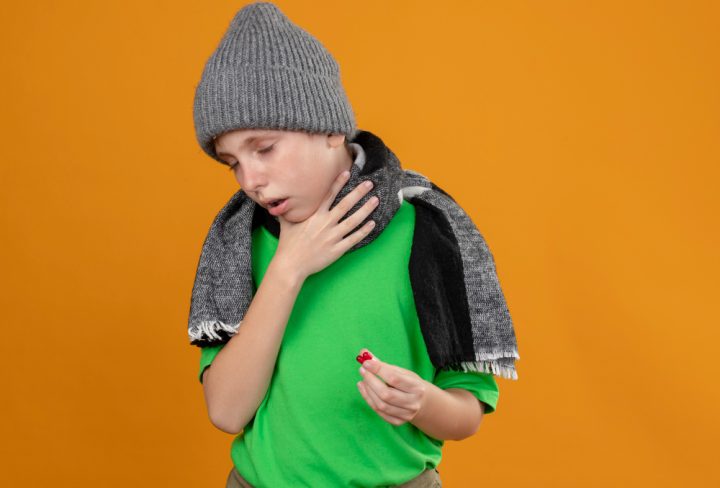
Introduction
Cough and cold are common in children, especially during colder months. Managing cough and cold in children can be challenging for parents. However, most cases are mild and get better with simple care at home. In this blog, we will explain the symptoms, causes, safe home remedies, and when to call the doctor for your child’s cough. We will also share tips for preventing colds in children. All information is based on trusted sources like the CDC and WHO.
Common Symptoms
Children with a cough and cold may show different signs. But most symptoms are mild and go away in a week or two. Knowing what to look for helps you care for your child better. Here are common symptoms:
Sometimes, children may also have mild headaches or body aches. But most symptoms improve with rest and fluids.
Causes and Risk Factors
Most coughs and colds in children are caused by viruses. For example, the rhinovirus is a common cause. Children catch these viruses easily, especially in schools or daycare. Because their immune systems are still developing, they get sick more often than adults. Here are some risk factors:
Although most colds are mild, some children may get sick more often. For example, children with asthma or allergies may have more severe symptoms.
Diagnosis and When to Seek Medical Help
Usually, you can manage a child’s cough and cold at home. But sometimes, you should see a doctor. Doctors diagnose a cold by asking about symptoms and doing a simple check-up. They rarely need blood tests or X-rays. However, you should call your doctor if your child:
For parents in the US, you can also call your pediatrician for advice if you are unsure. Early care can prevent serious problems.
Home Care and Safe Remedies
Most children recover from a cough and cold with simple home care. But, it is important to use safe remedies. Here are some tips for child cold remedies and safe cough treatments for kids:
However, avoid giving over-the-counter cough and cold medicines to children under six years old. The CDC warns these can cause side effects. Instead, focus on comfort and hydration. If your child has a sore throat, warm liquids can help. For older children, a saltwater gargle may soothe the throat.
Prevention Tips
Preventing colds in children is not always possible, but you can lower the risk. Here are some simple steps:
By following these tips, you can help keep your child healthy during cold season.
Frequently Asked Questions (FAQ)
How long does a child’s cold usually last?
Most colds last 7 to 10 days. However, a cough may linger for up to three weeks.
Can I give my child antibiotics for a cold?
No, antibiotics do not work against viruses. Only use them if your doctor prescribes them for a bacterial infection.
Is it safe to use vapor rubs for children?
For children over two years old, some vapor rubs may help. But, avoid using them on babies or near the nose.
When should I call the doctor for my child’s cough?
Call the doctor if your child has trouble breathing, a high fever, or symptoms lasting more than three weeks.
What are the best ways to prevent colds in children?
Hand washing, good sleep, and healthy food are key. Vaccines also help prevent some illnesses.
Conclusion and Call-to-Action
In summary, managing cough and cold in children is often simple with home care. Most children recover quickly with rest and fluids. However, always watch for warning signs and call your doctor if you are worried. For personalized advice on managing your child’s cough and cold, consult a pediatrician.